
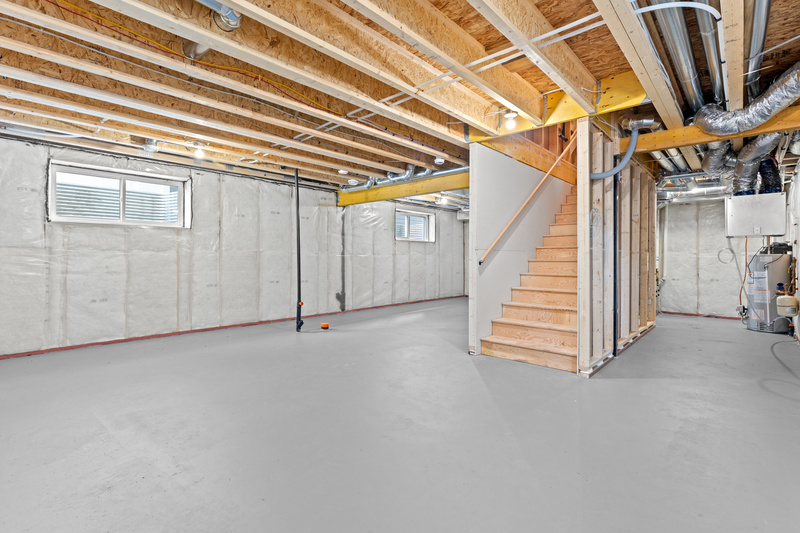
Whether you use your basement as a cozy family lounge, a home office, or simply a reliable storage area, keeping the environment comfortable and the structural foundation secure is essential. However, because basements sit below ground level, they are naturally susceptible to ambient ground moisture and poor ventilation. One of the most critical questions home performance experts receive is: What humidity should your basement be?
Understanding the ideal humidity range—and knowing how to maintain it—is vital to protecting your property, indoor air quality, and overall health.
The Ideal Basement Humidity Level
Based on Supreme’s recommendations, your basement relative humidity (RH) should ideally stay between 45% and 55%. Setting dehumidifiers too low can cause the machine to burn out, consume excessive energy, and lead to over-drying that can harm structural joists in basements and crawlspaces. During hotter, muggier summer months, staying within this range keeps your home comfortable without putting unnecessary strain on equipment or structural wood.
- Below 45%: Setting dehumidifiers lower risks burning out the machine, wasting energy, and causing over-drying that can damage wood framing and joists.
- Between 45% and 55%: The optimal zone recommended by Supreme. This range inhibits mould growth and protects household items while preserving energy efficiency and machinery life.
- Above 60%: Moisture buildup begins encouraging hazardous mould spores, wood rot, unpleasant damp odours, and potential foundation deterioration.
Signs Your Basement Has High Humidity
Excessive moisture isn’t always obvious at first glance. Watch out for these common signs of elevated indoor moisture:
- Musty Odours: A persistent stale, earthy smell indicates active mould or mildew spores multiplying unseen behind drywall or under carpeting.
- Condensation on Windows or Pipes: “Sweating” cold-water pipes or fogged windows demonstrate high atmospheric vapour levels.
- Efflorescence: White, chalky mineral deposits appearing on exposed concrete or brick walls mean groundwater is leaching through porous masonry.
- Peeling Paint or Warp: Bubbling paint, peeling wallpaper, or bowed wood panels point to trapped wall cavity moisture.
Why Managing Moisture Matters
Unmanaged subterranean moisture is more than just a minor inconvenience—it impacts your entire living area through the stack effect. As warm air rises and escapes from upper floors, it pulls air upward from your lower levels. Up to 50% of the air you breathe on your main floor originates in your basement.
When dampness goes unchecked, high humidity can lead to fungal growth that degrades indoor air quality and worsens respiratory issues, allergies, or asthma. Additionally, sustained moisture compromises structural timber joists and wall framing, resulting in costly repairs down the line.
How to Control Basement Humidity
To keep your relative humidity in the target 30%–50% range, consider taking these proactive steps:
- Use a Quality Dehumidifier: Install a continuous-drain dehumidifier sized appropriately for your space’s square footage.
- Ensure Proper Ventilation: Run exhaust fans in basement bathrooms or laundry spaces to route steam directly outdoors.
- Improve Exterior Drainage: Clean roof gutters regularly and ensure soil grades drop away from your home’s foundation walls to prevent water pool buildup.
- Seal Air Leaks: Caulk cracks around basement windows, dryer vents, and utility pipes to stop warm, humid outdoor air from entering.
Professional Solutions for Long-Term Protection
While portable dehumidifiers manage air moisture, they often only treat the symptom rather than the underlying cause. If groundwater continuously seeps through floor slabs or masonry seams, temporary fixes won’t offer lasting protection.
Investing in comprehensive basement services can resolve humidity problems at their root cause. Professional evaluation can identify whether your subterranean space requires interior drainage channels, sump pump installation, or external moisture barriers. Implementing complete basement waterproofing seals your home against subterranean pressure, keeping ground moisture out and making indoor air control significantly easier.
Protect Your Home with Supreme Basements
Don’t let hidden moisture compromise your living environment or structural foundation. If you are struggling with stubborn odours, high humidity, or water intrusion, visit Supreme Basements today to learn how expert waterproof solutions and restoration systems can keep your home dry, safe, and comfortable year-round.