
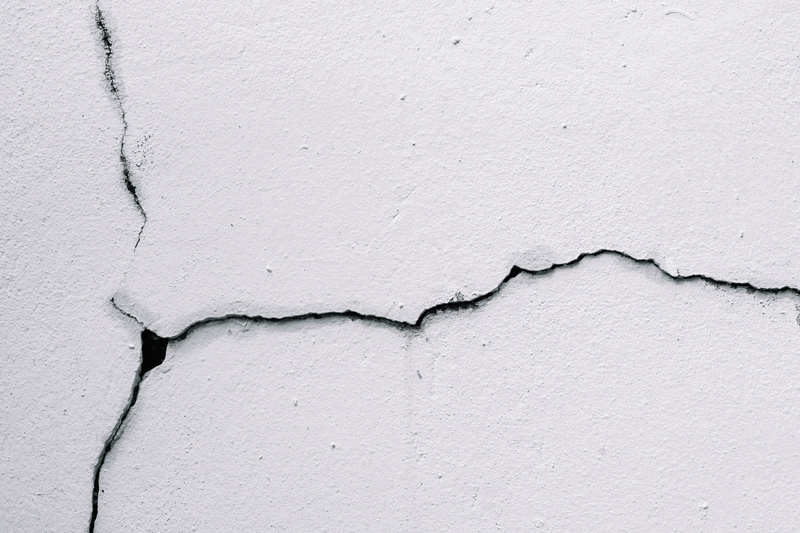
Discovering a crack in your basement wall or floor can immediately concern any homeowner. As your home’s structural foundation, basement walls and floors must stay sound to protect your property’s structural integrity, market value, and safety.
At Supreme Basements (supremebasements.com), we specialize in comprehensive basement foundation repair solutions designed to resolve foundation issues before they become catastrophic financial and structural burdens.
Common Causes of Foundation Cracks
Understanding why foundation cracks form is the first step toward finding a permanent fix. Foundation settlement and concrete damage usually result from environmental pressures and soil conditions surrounding your home:
- Hydrostatic Pressure: Excess rainwater or melting snow saturates the soil surrounding your home. This buildup of water exerts heavy hydrostatic pressure against basement walls, causing hairline cracks to expand over time.
- Soil Expansion and Shrinkage: Expansive soils (like clay) swell when wet and shrink when dry. This cycle puts immense stress on concrete footings and walls, leading to shifting and cracking.
- Foundation Settlement: Natural settling is normal, but uneven or differential settlement creates serious structural instability and uneven stress points.
- Poor Drainage: Inadequate gutter systems, clogged downspouts, or improper yard grading can allow water to pool around the foundation perimeter instead of draining safely away.
Types of Cracks: Identifying the Warning Signs
Not all foundation cracks are created equal. Identifying the pattern and direction of the damage helps determine whether you need minor cosmetic sealing or specialized structural foundation repair:
| Crack Type | Appearance | Common Cause | Severity Level |
| Vertical Cracks | Run straight up and down or slightly diagonal | Concrete curing shrinkage or light settlement | Low to Moderate |
| Horizontal Cracks | Run parallel to the ground along mortar lines or poured concrete | Extreme soil/hydrostatic pressure pushing walls inward | High (Structural Hazard) |
| Stair-Step Cracks | Follow mortar joints in brick or cinder block walls | Differential foundation settlement | Moderate to High |
| Floor Cracks | Span across concrete basement slab floors | Groundwater pressure or soil shrinkage underneath slab | Low to Moderate |
Professional Solutions from Supreme Basements
Ignoring foundation damage leads to basement leaks, toxic mould growth, bowing walls, and sagging floor joists. Supreme Basements delivers customized basement foundation repair methods tailored specifically to your home’s structural needs:
1. High-Pressure Epoxy & Polyurethane Injection
For non-structural or hairline vertical cracks, low-pressure or high-pressure injections seal the crack entirely from inside the basement. Epoxy restores concrete tensile strength, while flexible polyurethane expands to seal out water completely.
2. Carbon Fibre Wall Reinforcement
Bowing basement walls with horizontal cracks require immediate stabilization. Ultra-strong carbon fibre straps bond directly to the interior basement wall, preventing further inward movement or bowing without requiring exterior excavation.
3. Helical Piers and Resistance Steel Piers
When severe settlement threatens structural safety, heavy-duty piering systems are driven deep into stable soil layers beneath your home to stabilize and potentially lift the foundation back to its original level.
4. Comprehensive Exterior & Interior Waterproofing
Stopping water intrusion is key to long-term foundation health. Combining exterior drainage membranes, French drains, interior perimeter gutters, and heavy-duty sump pump systems stops hydrostatic pressure at the source.
When to Schedule Immediate Repair
You should contact a professional foundation repair specialist immediately if you notice:
- Cracks wider than 1/8 inch (3 mm) or cracks that are rapidly expanding.
- Doors and windows that stick, drag, or refuse to close properly.
- Visible bowing, bulging, or leaning in your basement walls.
- Water actively leaking or seeping through basement wall cracks during heavy rain.
Don’t wait for minor crack repairs to become structural failures. Contact Supreme Basements today at supremebasements.com to schedule your professional foundation inspection and secure your home’s future.